If you only know Preston Hollow by reputation, you might expect one signature look. In reality, the neighborhood is defined by variety, and that is exactly what makes it so compelling. From early ranch homes to formal estates and newer contemporary builds, Preston Hollow rewards buyers and sellers who understand how architecture, lot size, and landscape work together. Let’s dive in.
Why Preston Hollow Feels Distinct
Preston Hollow began as rural farmland before becoming part of Dallas in the 1940s. That history still shapes the area today, especially in the traditional core that local sources place roughly between Midway Road, Northwest Highway, Hillcrest Avenue, and Royal Lane.
What stands out most is not just the size of the homes. It is the combination of mature trees, deeper setbacks, privacy, and a wide range of architectural styles. In Preston Hollow, the setting often matters just as much as the house itself.
Ranch Roots in Preston Hollow
Ranch homes are one of the neighborhood’s foundational styles. Many streets still feature modest ranch-style houses, even though Preston Hollow also includes some of Dallas’s most expensive residential properties.
That mix is part of the neighborhood’s character. Ranch architecture here is not an afterthought or filler between larger homes. It is part of the original identity of the area.
The Texas Ranch Influence
One of the earliest Preston Hollow houses, the Underwood House, was described by the Dallas Landmark Commission as an example of Charles Dilbeck’s “Texas Ranch House” style. It used local and salvaged materials, large windows, lean-to porches, wide overhangs, and low-sloped roofs.
Those features still help explain why ranch homes feel so natural in Preston Hollow. They sit comfortably on the land, respond well to the tree canopy, and tend to create a relaxed indoor-outdoor connection.
Mid-Century Modern Has a Real Presence
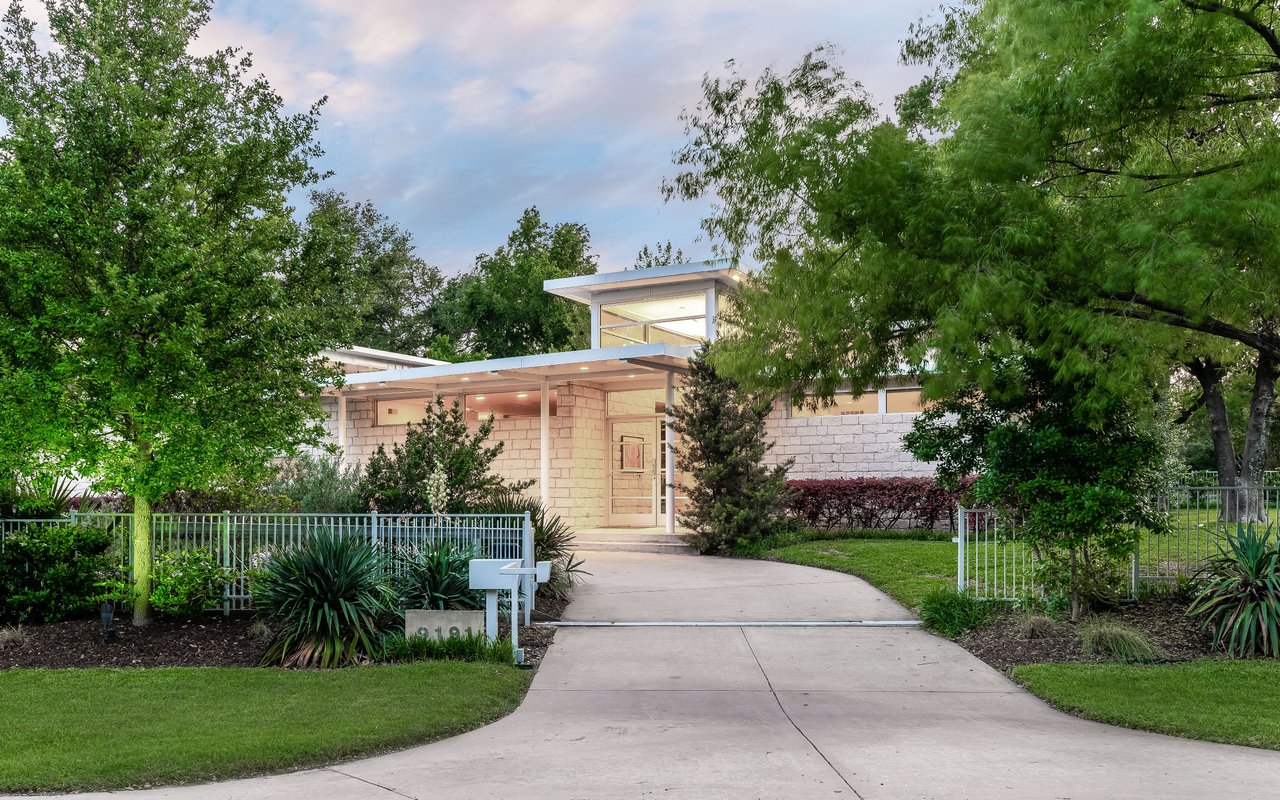
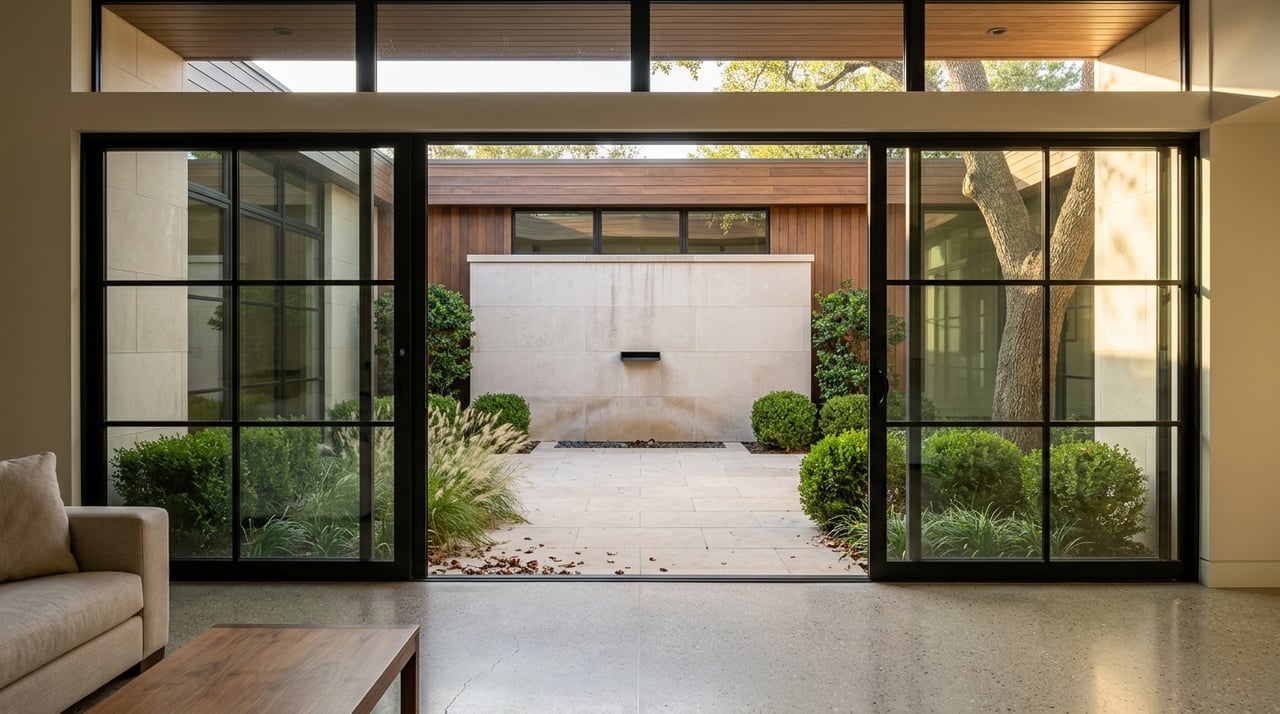
Preston Hollow also has a meaningful mid-century modern story. Preservation Dallas highlights the 1951 Vaughn House as an important local example, with open floor plans, post-and-beam construction, large expanses of glass, terrazzo floors, deep overhangs, and privacy courtyards.
Just as important, the house was designed around a pond and existing trees. That site-sensitive approach is a big reason mid-century modern works so well in parts of Preston Hollow.
Why Mid-Century Fits the Setting
In a neighborhood known for larger lots and mature landscaping, mid-century homes can feel especially well suited to the land. Broad rooflines, walls of glass, and courtyard planning often create privacy without making the home feel closed off.
For design-conscious buyers, that can be a major draw. A well-preserved or thoughtfully updated mid-century home often offers architectural clarity that feels both timeless and distinctly local.
Traditional Estates Define the Luxury Image
When many people picture Preston Hollow, they picture estate properties. That image is grounded in reality, especially in Old Preston Hollow and other estate pockets where large lots support substantial traditional homes.
Dallas News has profiled French Renaissance, French chateau-style, and Mediterranean residences in the area. These homes help define the neighborhood’s luxury identity, with formal massing, significant entries, and expansive grounds.
Common Features of Estate Homes
Traditional estate architecture in Preston Hollow often includes:
- Stone or brick exteriors
- Symmetrical or formal facades
- Large entry halls
- Broad drive approaches
- Resort-style outdoor areas
- Guest quarters, pool houses, or cabanas
These details matter because they show how the home relates to the lot. In Preston Hollow, estate appeal often comes from the full composition, not just the square footage.
Contemporary Homes Continue to Evolve
Newer construction in Preston Hollow often leans contemporary. The strongest examples tend to feel warm and welcoming rather than stark, using materials like stucco and limestone, standing-seam metal roofs, and oversized iron-framed windows.
That evolution reflects a neighborhood that is still changing. Contemporary homes appear regularly, but they tend to work best when they respect the scale, privacy, and landscape patterns already established in the area.
What Makes a Modern Home Work Here
A modern house can absolutely fit in Preston Hollow. The key is usually not whether the home is traditional or contemporary. It is whether the design responds well to the lot, the setbacks, and the surrounding trees.
On larger and more private sites, contemporary architecture can feel especially appropriate. Landscape design, softer massing, and strong indoor-outdoor flow often help newer homes feel grounded rather than imposed.
Custom Hybrids Add Personality
Preston Hollow is not limited to a simple old-versus-new conversation. The neighborhood also supports custom and hybrid expressions, including homes inspired by Mexican-style courtyard planning and Santa Barbara-influenced modern design.
That flexibility comes from the land. Large, secluded lots give owners and architects room to make a strong design statement while still preserving privacy and outdoor living.
Lot Size Shapes the Architecture
If there is one idea that ties Preston Hollow together, it may be scale. Homes often sit far back from the street, and privacy is a defining feature in many parts of the neighborhood.
That has a direct impact on design. Bigger lots and deeper setbacks allow homes to spread out, frame views, preserve trees, and support features that make a property feel more like a compound.
Why Some Homes Feel More Estate-Like
The difference often comes down to site planning. In Preston Hollow’s luxury tier, estate character is frequently created through a combination of:
- Deeper front setbacks
- Broad lawns and mature trees
- Gated entries
- Motor courts or long drive approaches
- Separate guest quarters
- Pool houses or cabanas
- Outdoor entertaining spaces
These elements can make a home feel private, composed, and substantial before you even step inside.
Trees, Setbacks, and Privacy Matter
Some Preston Hollow deed restrictions offer a useful window into what people value in estate areas. One HOA declaration emphasizes preserving views, breezes, and large trees, while also setting notable setbacks and limiting height to 2.5 stories.
That does not apply to the entire neighborhood, but it reinforces a larger point. Preston Hollow’s appeal is closely tied to low-profile siting, landscape-forward design, and a sense of space between homes.
What Buyers Should Notice
If you are buying in Preston Hollow, it helps to look beyond style labels. A traditional brick estate and a limestone-and-glass contemporary home can both feel right here if they are well matched to the lot and surrounding context.
As you compare homes, pay close attention to the relationship between house and land. Tree canopy, lot depth, setbacks, privacy, and outdoor living potential often matter as much as the finish selections inside.
Smart Questions for Buyers
When touring Preston Hollow homes, consider asking:
- Does the house fit the scale of the lot?
- How much privacy do the setbacks and landscaping create?
- Are the trees and outdoor areas part of the home’s design, or just background?
- Do updates respect the home’s original style?
- Does the property feel cohesive from the street to the backyard?
These questions can help you separate a home that is simply large from one that is truly well positioned.
What Sellers Should Keep in Mind
For sellers, Preston Hollow tends to reward architectural integrity. Thoughtful updates often matter more than trying to chase every trend, especially when a home already has a strong original identity.
A Dallas News example on Seneca Drive showed how a 1940 home was expanded and modernized while still reading as one coherent house. That kind of sympathetic renovation can be powerful in a neighborhood where buyers often notice setting, proportion, and architectural consistency.
Updates That Tend to Read Well
In Preston Hollow, the strongest seller positioning often comes from improvements that support the home’s character, such as:
- Preserving original architectural lines
- Choosing materials that fit the era or design language
- Improving floor plan flow without losing identity
- Enhancing outdoor living areas
- Highlighting trees, setbacks, and arrival sequence
For architecturally significant or design-forward homes, presentation should feel intentional. Buyers in this market often respond to coherence, not just polish.
Why Architectural Variety Helps Preston Hollow
One of Preston Hollow’s biggest strengths is that it does not depend on a single look. Ranch homes, mid-century modern residences, formal estates, and contemporary builds can all belong here.
That variety gives buyers more ways to align lifestyle and design preferences with the right property. It also gives sellers more room to position a home around what makes it distinct, whether that is historical character, site planning, or a well-executed renovation.
If you are evaluating a home in Preston Hollow, architectural style is only part of the story. The more important question is how well the home uses its land, preserves its character, and fits the rhythm of the neighborhood. For strategic guidance on buying or selling design-driven homes in Preston Hollow, connect with Vito Cammisano.
FAQs
What architectural style is most common in Preston Hollow?
- Ranch and traditional homes remain a common baseline in many parts of Preston Hollow, even though the neighborhood also includes estate properties, mid-century modern homes, and newer contemporary builds.
Can contemporary homes fit Preston Hollow?
- Yes. Contemporary homes can fit well in Preston Hollow, especially on larger lots where setbacks, landscaping, and thoughtful massing help the design feel warm and site-appropriate.
What makes a Preston Hollow home feel estate-like?
- Estate character often comes from site planning, including larger lots, deeper setbacks, gated approaches, guest quarters, cabanas, pool houses, and expansive outdoor living areas.
Why do trees and lot size matter in Preston Hollow?
- Mature trees, lot depth, and setbacks shape privacy, views, outdoor living, and the overall feel of the property, which are all recurring themes in Preston Hollow architecture.
What should buyers look for in Preston Hollow architecture?
- Buyers should look at how the home relates to the lot, including privacy, tree canopy, outdoor space, and whether the design and any updates feel consistent with the home’s style.
What should sellers emphasize when marketing a Preston Hollow home?
- Sellers should emphasize architectural integrity, thoughtful updates, site planning, and the way the home’s design works with the lot, landscaping, and outdoor amenities.