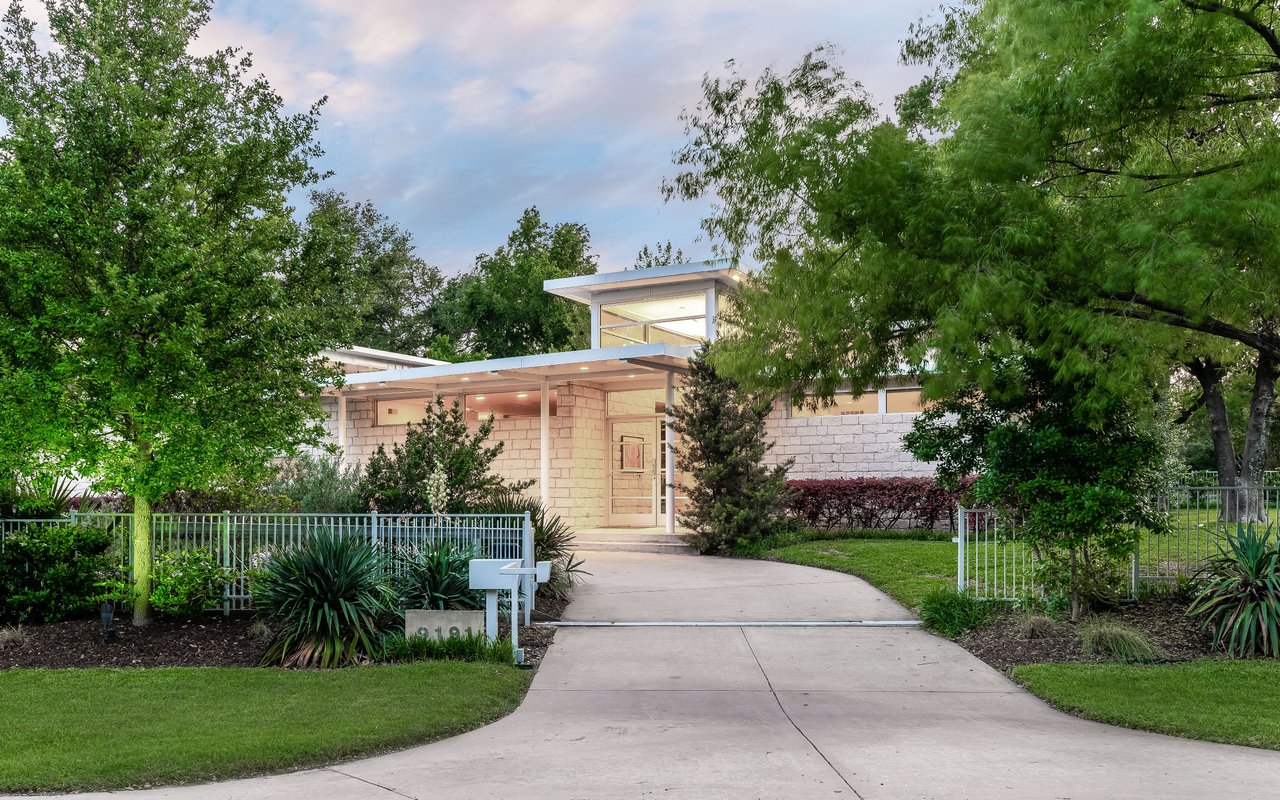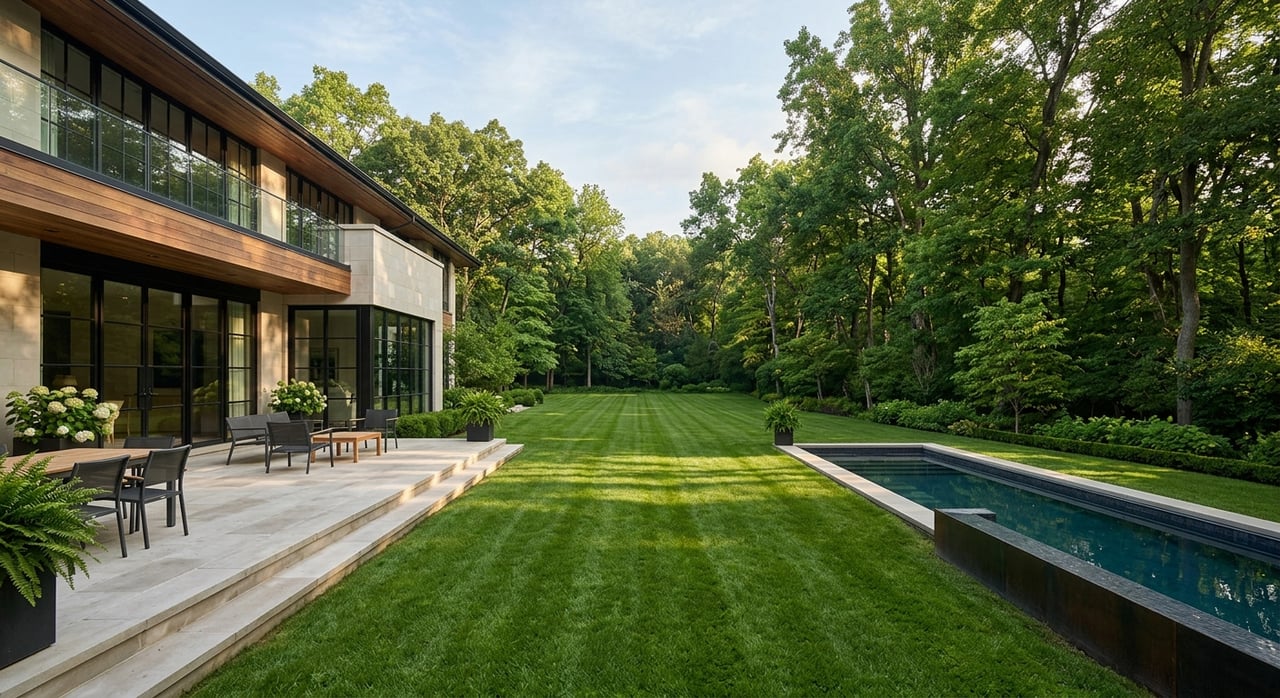
If you are buying in Preston Hollow, the lot can matter just as much as the house sitting on it. A property may look generous from the street, yet have a very different future depending on zoning, building lines, trees, drainage, and the specific pocket of the neighborhood. Understanding that difference can help you avoid overpaying, spot true long-term value, and make a smarter decision about whether to remodel, expand, or rebuild. Let’s dive in.
Preston Hollow lot value starts local
Preston Hollow is not one uniform lot market. It works more like a collection of micro-markets, and that matters when you are trying to judge what a lot is really worth.
The broader Preston Hollow name is often used for north Dallas south of LBJ, while the traditional boundaries are Midway Road, Northwest Highway, Hillcrest Avenue, and Royal Lane. Within that larger area, Old Preston Hollow is known for large lots and estate-style homes, while Preston Hollow South has a very different mix that includes condos, apartments, and townhomes.
That means lot value should be compared against truly similar blocks and subareas, not just any sale with a Preston Hollow address. A deep estate lot in Old Preston Hollow and a smaller homesite in another pocket may share a zip code, but they do not necessarily share the same land value story.
What lot value really means
At its core, lot value is a highest-and-best-use question. In simple terms, that means asking what the land would be worth if it were treated as a vacant site available for its most productive legal use.
That analysis usually looks at whether a use is physically possible, legally permissible, financially feasible, and maximally productive. For an improved property, the practical choices are often straightforward: keep the house as it is, modify it, or tear it down and build new.
In Preston Hollow, that question comes up often because many buyers are not just shopping for a finished home. They are also evaluating whether the site supports a renovation, a larger addition, or a full custom rebuild.
Key factors that shape lot value
Size, shape, and zoning
Two lots can appear similar at first glance and still offer very different opportunities. Dallas zoning is not one-size-fits-all, and minimum lot area can vary by district, including examples such as 10,000 square feet in R-10(A), 13,000 square feet in R-13(A), and one-half acre in R-1/2ac(A).
Dallas code also says lots should conform in width, depth, and area to the pattern established in adjacent areas, while also accounting for topography, drainage, wastewater facilities, and street layout. So if you are estimating lot value based only on dimensions, you may miss what actually matters most: how the lot fits the rules around it.
Corner lots and street exposure
Corner lots often attract attention because they can feel larger and more prominent. But they are not simply interior lots with extra frontage.
Dallas code treats corner lots differently for front and side yard setbacks, depending on the length of each street frontage. Street type and orientation can also affect access, since driveway access to divided thoroughfares may be limited unless an exception is granted.
For you as a buyer, this can affect privacy, usable building area, and the overall ease of designing a future project. A corner lot may carry appeal, but it does not always mean better redevelopment value.
Building lines and existing improvements
A lot can look oversized on paper and still be tricky in practice. One common reason is building lines, especially where setbacks go beyond base zoning or where a lot borders a natural creek channel.
Dallas platting rules require these building lines to be shown on the plat. The city also states that no plat may be approved if an existing improvement would encroach on a proposed lot line or setback line unless that structure is removed or relocated.
This is one of the biggest reasons careful due diligence matters in Preston Hollow. The true value is not just the gross lot size. It is the usable area left after all restrictions are applied.
Trees, landscaping, and floodplain issues
Mature trees can add beauty, privacy, and real appeal to a Preston Hollow property. They can also affect cost and design.
Dallas has tree and landscaping rules that may apply based on lot size, property type, and whether protected trees are involved. Tree removal applications are required before removing or seriously injuring protected trees, and required landscaping can also vary based on the lot.
Floodplain and drainage issues can be just as important. In Dallas, development in a floodplain area may require permits, and new structures in the floodplain require a fill permit and final City Council approval. Depending on the project, the permit process may also call for hydrologic or hydraulic modeling.
Common lot types in Preston Hollow
Interior lots
Interior lots are often the most straightforward from a redevelopment standpoint. When setbacks, drainage, and tree constraints are manageable, they can offer a clean canvas for additions or new construction.
That simplicity can support value, especially for buyers who want fewer variables. In a market like Preston Hollow, fewer unknowns often matter.
Deep estate lots
Deep lots are one of the signatures of Old Preston Hollow. They often provide more flexibility for larger homes, additions, outdoor living, and a stronger sense of separation from neighboring properties.
For many buyers, these lots command a premium because they support both privacy and future optionality. If your long-term plan includes a meaningful remodel or custom home, depth can be just as important as total square footage.
Creek-adjacent or irregular lots
These lots can be especially appealing for their setting and privacy. But they also deserve extra scrutiny.
Creek building lines, irregular shapes, and floodplain rules can reduce the practical build envelope or increase project cost. A lot like this may still be valuable, but only if the numbers and design goals truly align.
Tree-heavy lots
A heavily treed lot can feel established and serene in a way newer landscapes rarely do. That character can support lot value, especially in a neighborhood where privacy and setting are prized.
Still, trees can influence where and how you build. Before assigning a premium, it is important to understand whether preservation requirements or replacement obligations could affect your plans.
Why micro-market context matters
Preston Hollow includes some of Dallas’s most expensive homes, which helps explain why lot value often reflects more than raw dimensions. Privacy, scale, and redevelopment potential tend to carry weight here.
Old Preston Hollow adds another layer because it became a conservation district in 2006. That means some rebuilds and additions may face design rules beyond base zoning.
So when you are comparing opportunities, the right question is not just, “How big is the lot?” It is, “What can I realistically do with this lot on this block, in this pocket, under these rules?”
Smart due diligence before you buy
Start with the recorded documents
Before assuming a lot can support your plans, gather the recorded plat, deed records, and any recorded deed restrictions. In Dallas County, deeds, liens, and subdivision plats are recorded by the County Clerk, and deed restrictions are filed in county deed records.
It is also important to know what the records do not show. The County Clerk does not keep surveys or blueprints, and DCAD notes that title research should be done at the County Clerk rather than relying on appraisal records alone.
Test the lot with your team
Once you have the survey and recorded information, the next step is practical. Have your builder or architect overlay a conceptual plan on the survey and test setbacks, building lines, easements, access, existing improvements, and any floodplain issues.
This helps you see whether the lot fits your goals before you spend heavily on design work. In Preston Hollow, that early analysis can save you from discovering expensive limits after you are already committed.
Match the lot to your true plan
Some buyers fall in love with the house. Others are really buying the site. The smartest approach is to be honest about which one applies to you.
If you are considering a remodel, addition, or teardown, evaluate the property as though vacant and ask what the highest and best use really is. In this neighborhood, the biggest value question is often not what the house is today, but what the lot can support tomorrow.
A practical way to think about lot value
When you buy in Preston Hollow, lot value is rarely just about acreage. It is about usable land after zoning, setbacks, building lines, trees, drainage, access, and neighborhood-specific rules are accounted for.
That is why two properties with similar square footage can have very different long-term value. One may offer a smooth path to your ideal project, while the other may come with constraints that change the economics entirely.
If you want to buy well in Preston Hollow, it helps to look past the listing photos and ask sharper questions about the land itself. For strategic guidance on Preston Hollow homes, lots, and off-market opportunities, connect with Vito Cammisano.
FAQs
What does lot value mean when buying in Preston Hollow?
- Lot value refers to what the land is worth based on its most productive legal use, not just the house currently on it.
Why do Preston Hollow lot values vary so much by block?
- Preston Hollow functions as several micro-markets, so lot value depends heavily on the specific subarea, lot pattern, and redevelopment potential of that block.
Do corner lots in Preston Hollow always have more value?
- Not always. Corner lots may offer more frontage, but setback rules, privacy concerns, and access limits can reduce usable building area.
How do trees affect lot value in Preston Hollow?
- Mature trees can add privacy and appeal, but protected tree rules, removal applications, and landscaping requirements can also affect design and cost.
What records should buyers review for a Preston Hollow lot?
- Buyers should review the recorded plat, deed records, and any recorded deed restrictions, along with a current survey and early input from a builder or architect.